What is Singular Movement
Singular Movement is a practical research developed by Renata Versiani, which investigates authorial body movement. The system focuses on sensitizing, perceiving and appropriating movement as a tool for building the artist's expressivity and for the clear and assertive communication of her work.
Singular Movement arises from the desire to equip the artist in order to promote an effective connection with the audience, seeking to build a "kinesthetic empathy" — where movement serves as a link between the artist's intention and the spectator's perception.
Renata completed her Professional Master's Degree in Dance (PPGPDAN) at Faculdade Angel Vianna (FAV) in 2026. The dissertation deepens creative practices and audience-formation strategies applied to the Singular Movement research.
Structured as a system of investigation, the research values subjectivity and the enhancement of stage presence. It operates in two main phases:
Movement Textures: The investigation of "pre-individuality" through the layers Bone, Muscle and Skin.
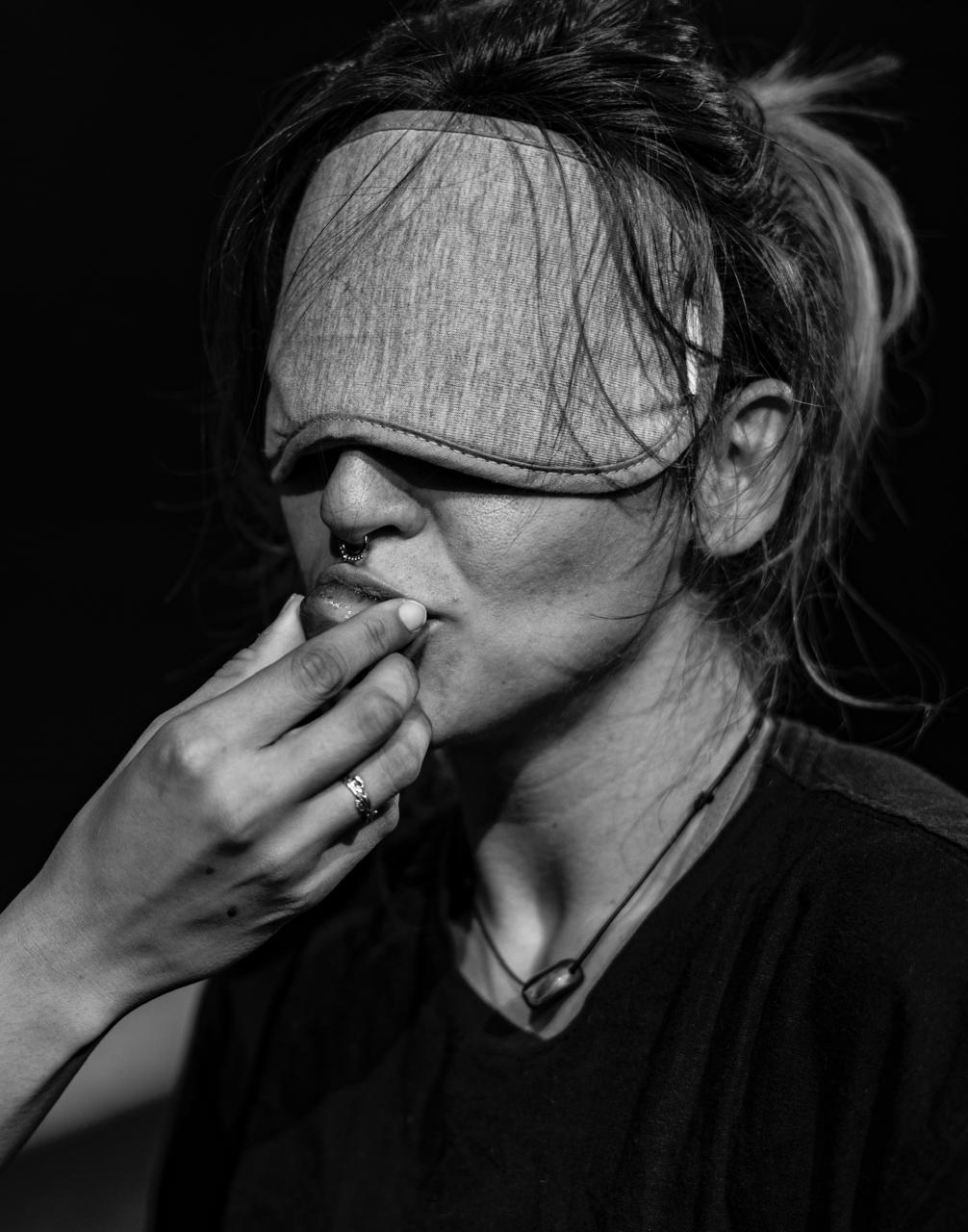
Sensory Activation: The process of "individuation" and the resignification of memories through Vision, Hearing, Touch, Smell and Taste.
Dialoguing with references such as the Laban/Bartenieff System, Body-Mind Centering® and the philosophy of authors such as Gilbert Simondon and José Gil, Singular Movement proposes that the body is our only truly private possession, the place where singularities dwell and the path towards the construction of knowledge.
Singular - the Body
In a practical, poetic and powerful way, the research proposes the Body as the locus of the Singular. Here we assume that the body is our only truly private possession: the inalienable territory where life happens, inscribes itself and expresses itself.
The Duality of Being
This is the place where pre-individuality dwells (the singular of the species, the biology that unites and structures us) and, at the same time, the space where individuation occurs (the singular of the subject). It is in the friction between biological inheritance and personal experience that singularity reveals itself.
Archive and Repertoire
Dialoguing with Diana Taylor, we understand the body as a living archive. It does not merely store passive memories, but transforms them into repertoire through movement. The subject builds their identity and corporeal textuality by re-staging and resignifying their memories and experiences in the now.
Textures
The concept of movement textures is understood as qualities of moving that emerge from specific layers belonging to our species. These are: Bone, Muscle and Skin, which will serve as support for the second phase of Singular Movement.
Each movement texture has specific objectives to be investigated, contributing both to bodily and stage communication and to the particular desires of artists/students in the construction of their subjectivity and autonomy. Moreover, each texture is worked in practice through a set of parameters that indicate the “how” and the “from what” that artist will move and generate a state of presence. These parameters are stimulated in this phase through commands built from specific action verbs, responsible for creating the qualities of each of the “movement textures”.
Bone
"Bone has no drama!"
It works the structure, the levers and the balance. It is the layer that makes us equal and empties out social codes.
Muscle
"Muscle is a gerund!"
It is continuous action, volume, flesh and drama. Responsible for motor force, adaptation and leadership.
Skin
"Skin is therapy!"
The boundary between the self and the world. It explores the "paradoxical body", porosity, exchange and the delicacy of contour.
Bone
The bone is the deep, structural layer of the body, representing the base that makes us equal as human beings, regardless of gender, politics, religion or other identities. From the perspective of Singular Movement, the vision of the skeleton goes beyond its static function, being transformed into a dynamic element essential to movement.
This texture invites the individual to explore the bone as a pillar of support, allowing the body to express itself through geometric images, cavities, levers and points of support. It is in interaction with the skeleton that it becomes possible to face falls and achieve recoveries with lightness, without carrying the drama, promoting a sense of liberation.
By connecting with this dense and deep structure, the individual discovers in the bone not only a physical support, but also a foundation from which to experiment with movement in a free, stable and complete way.
Muscle
The muscle is the engine of motor force and adaptability, being responsible for building bodily presence and strengthening the dynamic relationship with the environment and with other bodies. From the perspective of Singular Movement, the focus is on the “soft”, the soft and fleshy parts of the body, which perform crucial roles such as shock absorbers, structures of accommodation and points of adaptation to the external and to the other.
These muscles are the great activators and leaders of movement, stimulating locomotion and promoting control over what is called “expressive deformation”. They are responsible for giving “flesh” to the state of presence, making movement not only functional, but also rich in expression and interaction.
By exploring this texture, Singular Movement makes possible a body in constant transformation, capable of molding itself to the demands of the environment and, at the same time, asserting its singularity in the flow of movement.
Skin
The skin is the layer that connects the individual to the external world, being the line that delimits the "inside" and the "outside" of being. From the perspective of Singular Movement, it plays a fundamental role by acting as a vehicle for sensory perception, opening channels of communication between the body and the surrounding environment. It is through the skin that we interact with the air, with fluids and with the infinite textures of the world, in a constant dialogue that enriches the bodily experience.
This layer is explored in the research as a portal to the state of presence. The skin does not only trace the physical contour of the body, but also the emotional and energetic contour of the present moment. By savoring the pleasure of touch, of perception and of interaction with space, it invites the individual to experience movement in a sensory and enveloping way.
The skin seeks delicacy, exchange and the pleasure of feeling with lightness and calm.
Activation of the Five Senses
In Singular Movement, Singularity is understood under two complementary optics. First, pre-individuality (the singular of the species), accessed through the Movement Textures (Bone, Muscle, Skin), where we revisit what is biologically common to everyone. Second, the process of individuation, where the subject builds their identity and authorial language through their memories and experiences.
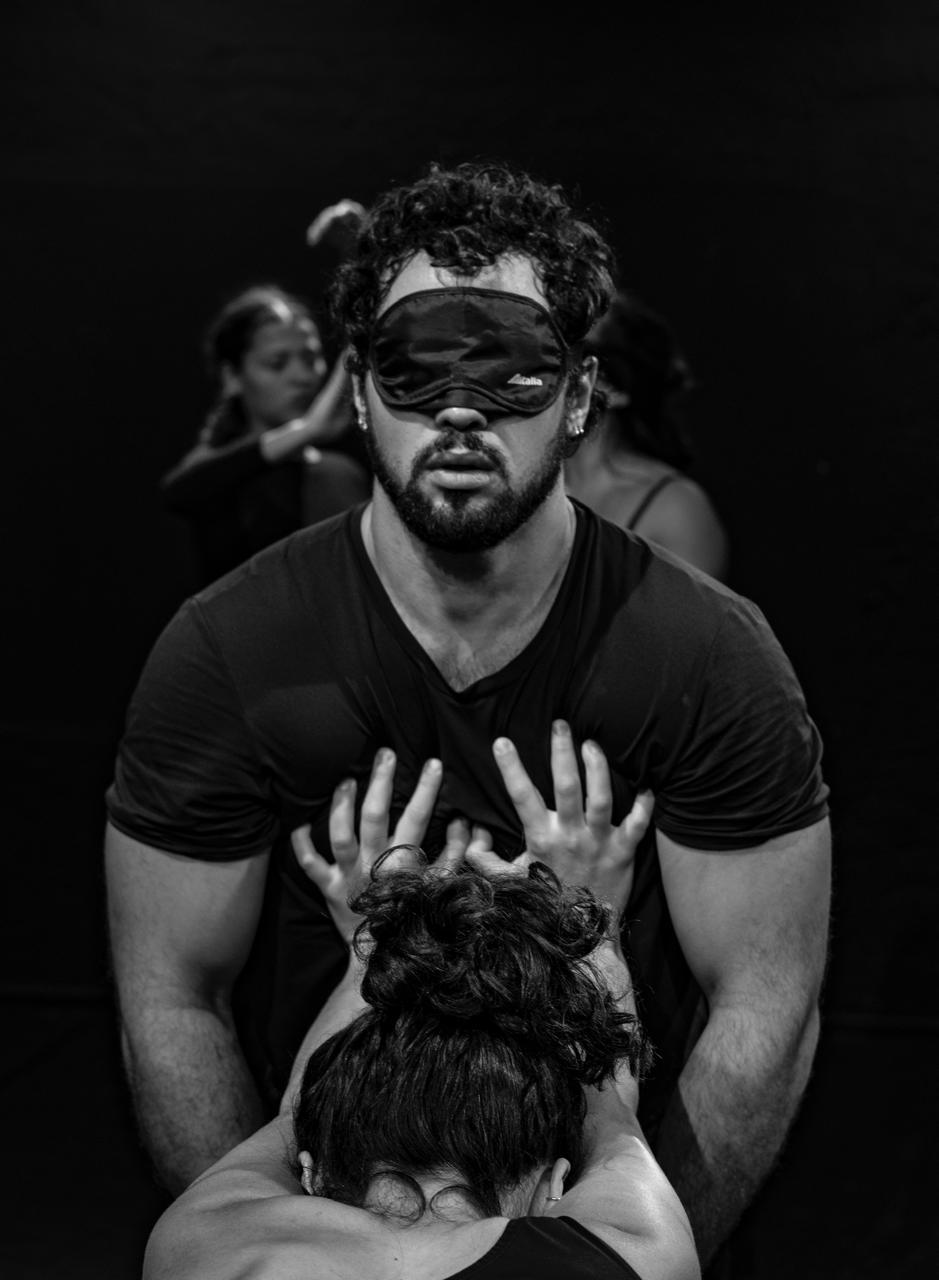
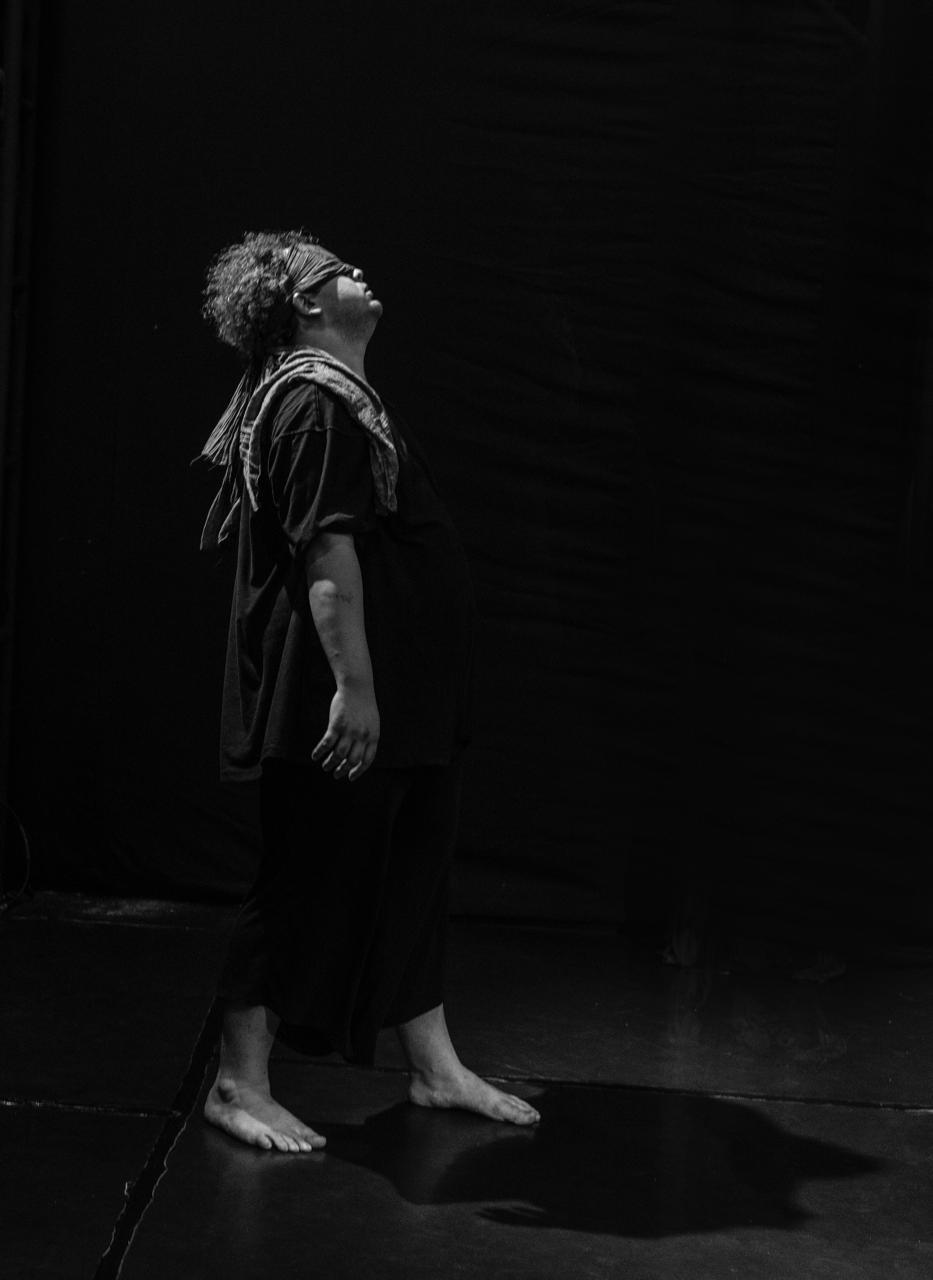
The second phase of the research focuses on Sensory Activation as a gateway to those memories and to the construction of a unique, self-biographical expressive repertoire. We work with the five senses in a specific order in order to amplify perception:
- Vision: Delivery, trust and reflex.
- Hearing: Expansion of subtle listening vs. paralysis.
- Touch: Deep investigation of tactile sensations.
- Smell: Intuition, imagistic field and memory.
- Taste: The complete sense; inner investigation.
The body thus becomes a "archive-repertoire" (Diana Taylor), where memories are resignified and transformed into authentic artistic material.
Follow My Backstage
Subscribe to my official channel to receive exclusive content on movement direction and the performing arts.
In this format, your number remains private and hidden from other members.
Coletivo.Singular
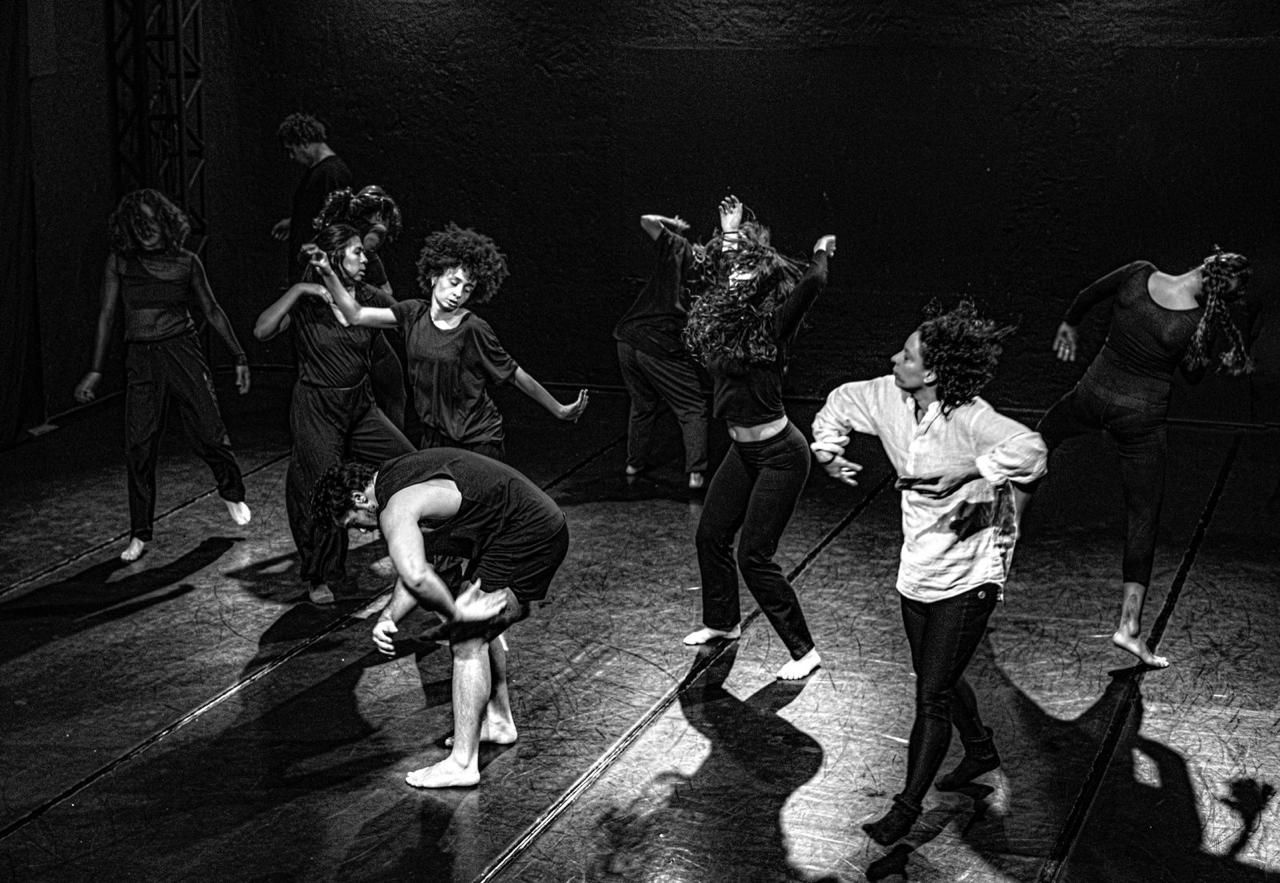
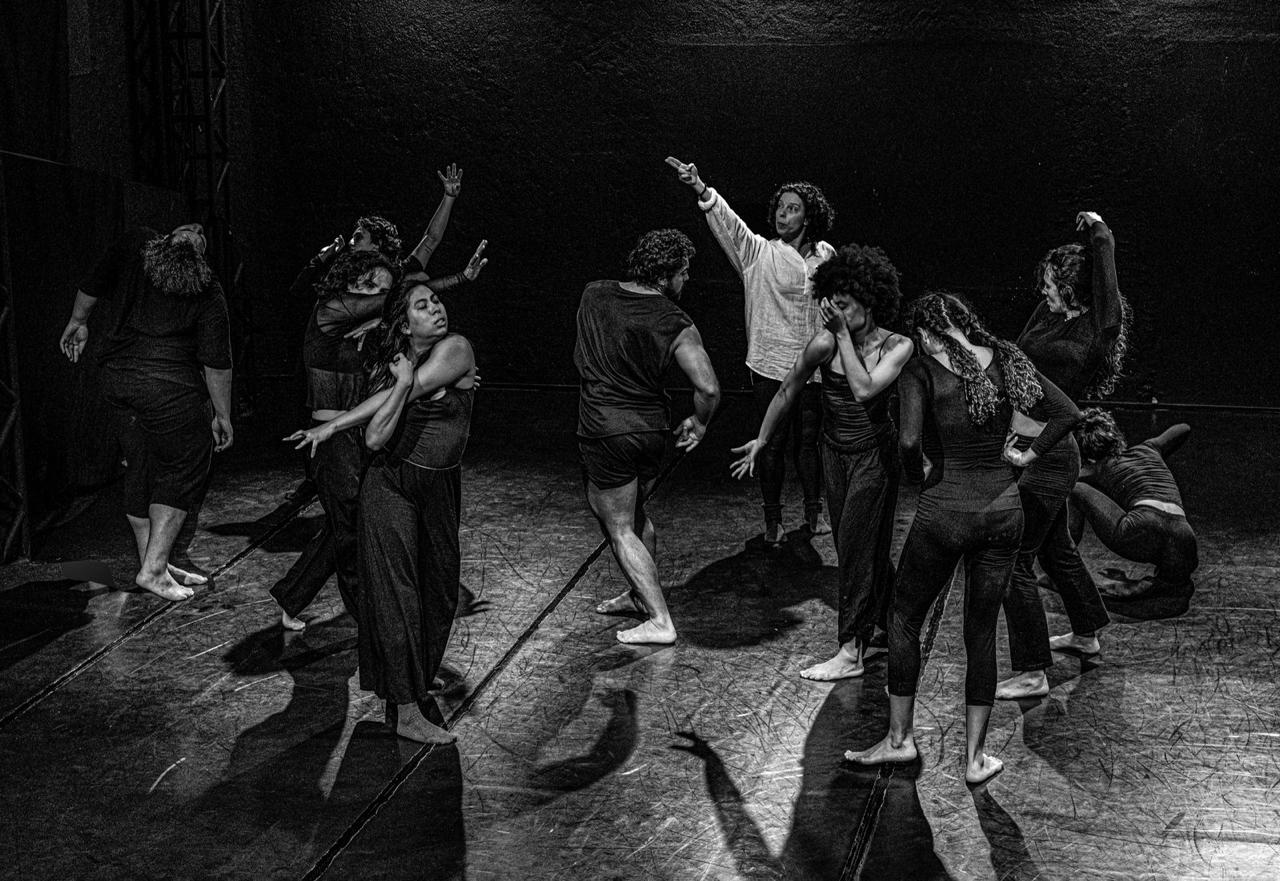
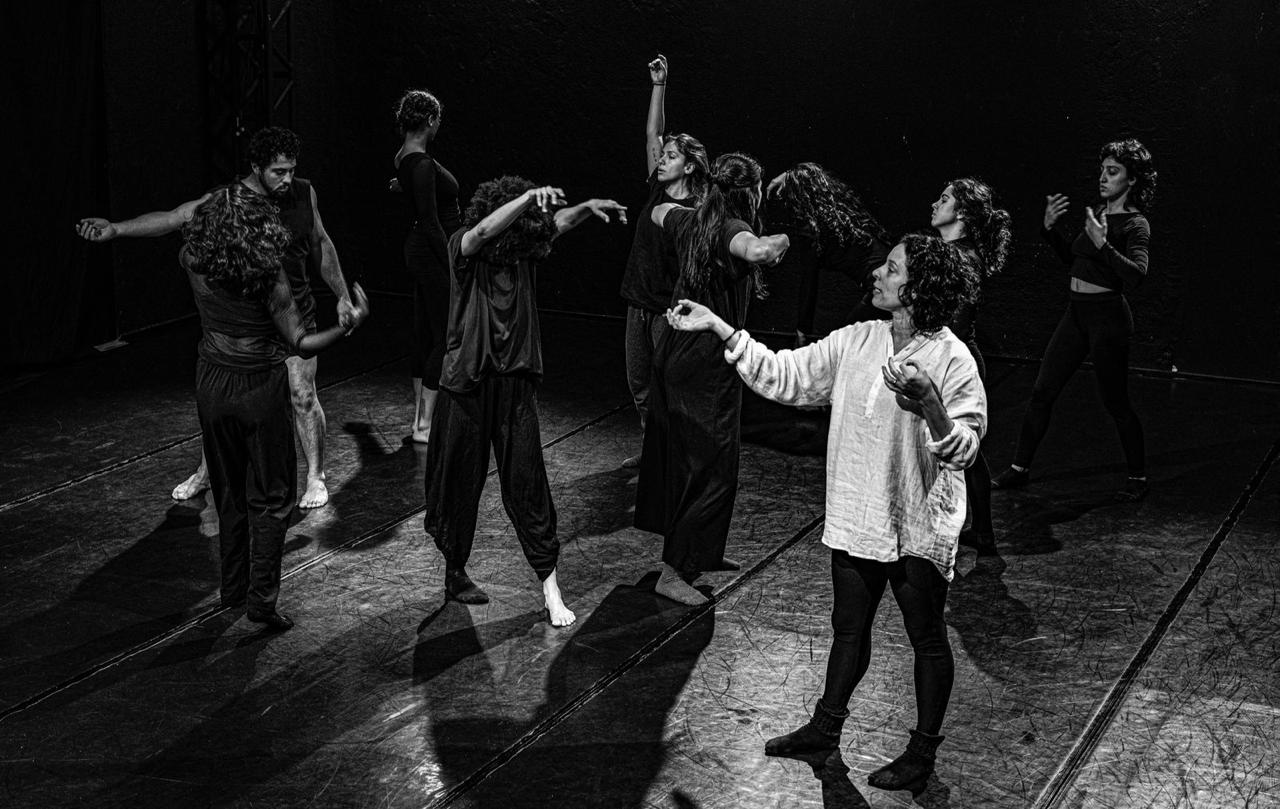
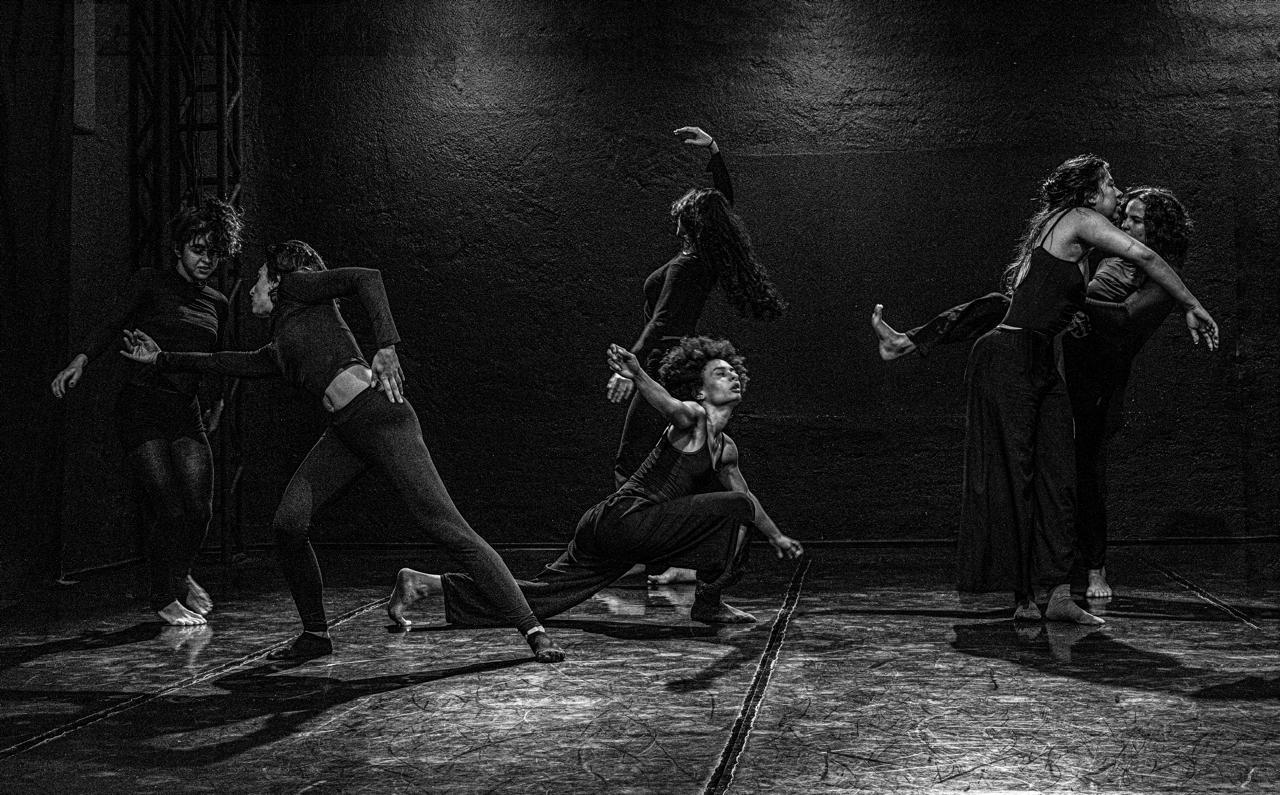
The Coletivo.Singular is a Research Center at Faculdade Angel Vianna that carries out the theoretical-practical study of authorial movement as a form of artistic expression and of connection with the environment. The investigation departs from the central idea that movement is not only a functional ability, but a unique language that reflects the individual's experiences, emotions and intentions. Combining academic approaches and sensory experiences, the group seeks to deepen the understanding of how body and mind interact in the creation of an authentic and meaningful presence in space.
The research is structured around the bodily textures – Skin, Bone and Muscle – which serve as anchors for exploring different dimensions of movement. Each texture is understood as a portal to new discoveries: from the sensory delicacy of the skin to the motor force of the muscle, through the fluidity and the internal rhythms of the body. This integrated approach allows artists, therapists and movement educators to develop a deeper connection with their practices, promoting the singularity of the body as a creative and transformative space.
Beyond the investigative work, the group organizes presentations, workshops and performances that demonstrate the applicability of the research in the performing arts, body therapies and movement education. Through its activities, the group contributes to the advancement of discussions about authorial movement, sensory awareness and expressivity, expanding its relevance in the field of the arts and its impact on society. This is a space where academic research meets artistic practice, creating an innovative bridge between theory and experience.
Research Team
Coletivo.Singular is made up of professionals committed to research, development and artistic practice, who explore the body as a unique and authentic language. Each member brings their own experience and sensitivity to the investigation of authorial movement, promoting individual expressivity and expanding the horizons of contemporary dance.
The group works with an artistic and pedagogical approach that connects inner experiences, bodily communication and the surrounding environment. Our mission is to inspire and empower individuals to discover and take ownership of their own sensory capacity, creating a unique form of expression, while we promote a space of creation, reflection and connection within a collective.
Meet the members who make this journey possible!
Researchers

Renata Versiani

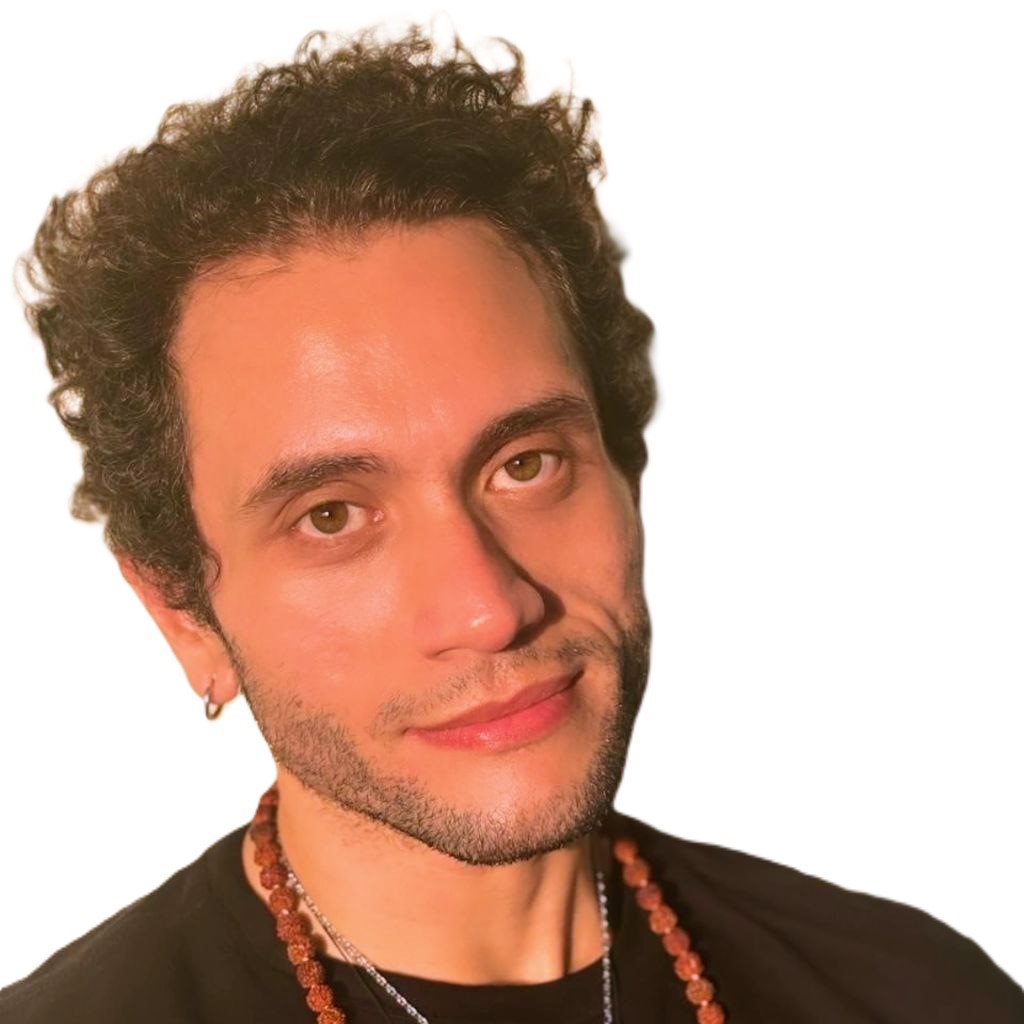
Caio Picarelli

Claudia Gama
Research Assistants
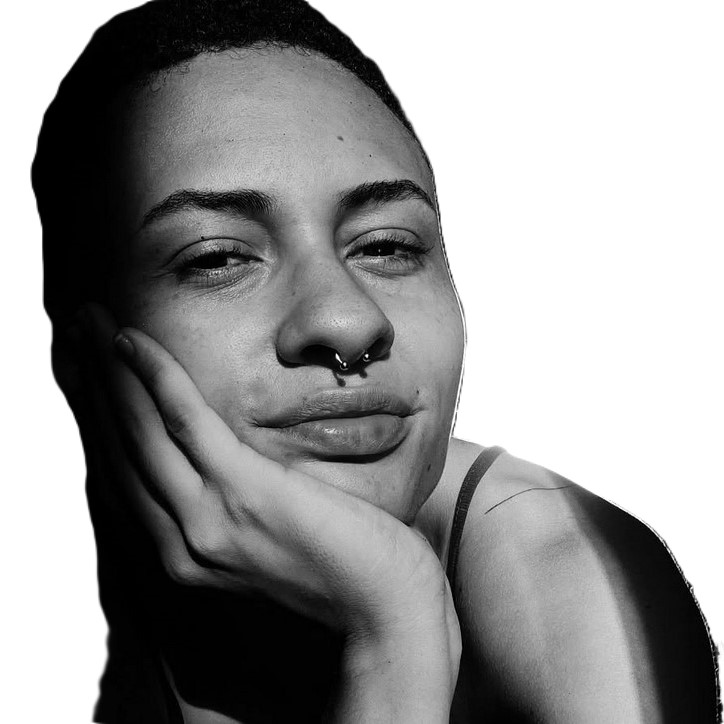
Alice Alves

Alice Guaraná
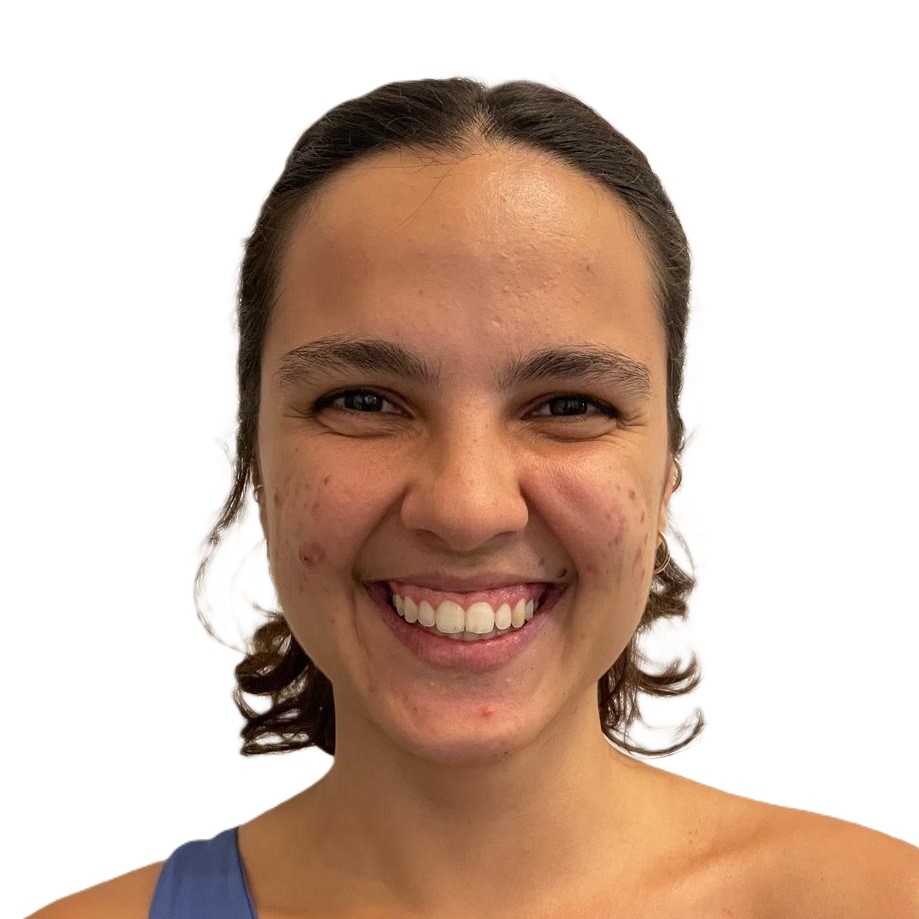
Amanda Pontes

Camila Baltar
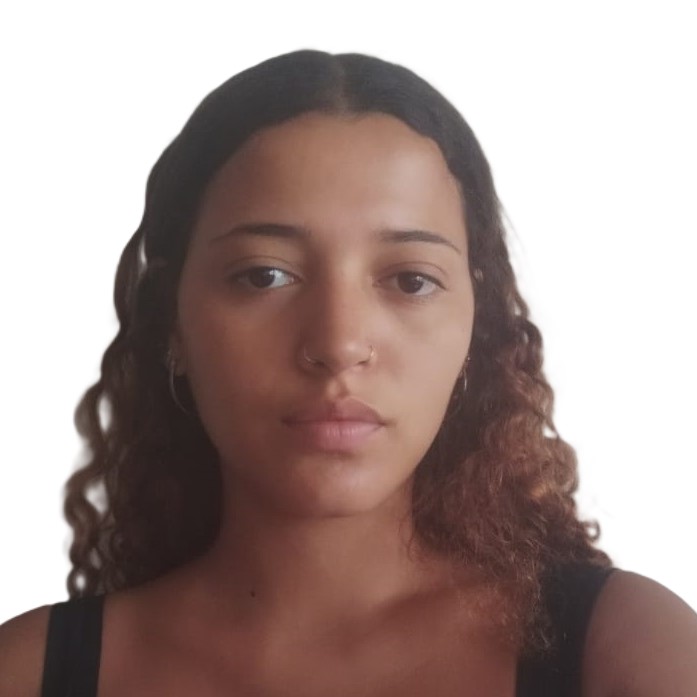
Carmen Zilveti

Giovanna Rossi
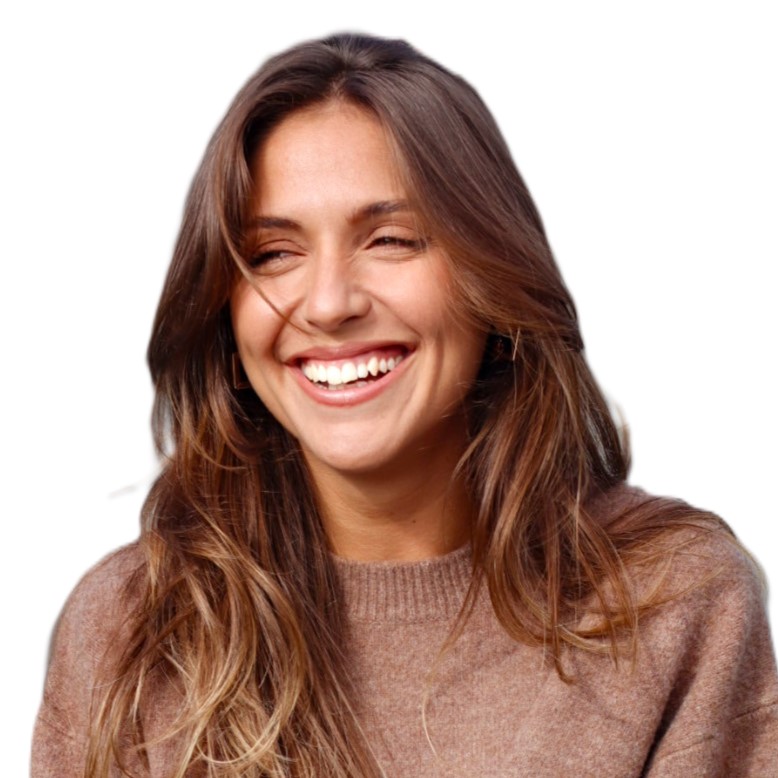
Jessica Braga
Maria Paula Ramalho

Matheus Pergolizzi

Tuda Gilla

Carol Bahia
Bibliographic References
- AGAMBEN, Giorgio. O que é o contemporâneo? e outros ensaios. Tradução de Vinícius Nicastro Honesko. Chapecó: Argos, 2009.
- ALMEIDA, M. V. M.; VAZ, L. R.; CERQUEIRA, P. Região do Silêncio, atividade humanas, corpo e movimento. In: ASSAD, Francine; CIRINEU, Cleber (org.). Corpo em foco: proposições contemporâneas. 1. ed. Batatais: Claretiano, 2022. v. 1, p. 81-98.
- ALMEIDA, Marcus Vinicius Machado de. Laban e o corpo intenso. 2011. 211 f. Relatório final (Pós-Doutorado em Psicologia) – UFRJ, Rio de janeiro, 2011.
- BARROS, Manoel de. O livro das ignorãças. Rio de Janeiro: Alfaguara, 2016. p. 14-15.
- BARTENIEFF, Irmgard; LEWIS, Dori. Body movement: coping with the environment. New York/London: Routledge, 2002.
- BARTHES, Roland. A câmara clara: nota sobre a fotografia. Tradução de Julio Castañon Guimarães. 8. ed. Rio de Janeiro: Nova Fronteira, 2022.
- COHEN, Bonnie Bainbridge. Sentir, perceber e agir: educação somática pelo método Body-Mind Centering®. São Paulo: Edições SESC São Paulo, 2015.
- DALI, Salvador. Comment on devient Dali. Paris: Robert Laffont/Opera Mundi, 1973. p. 171.
- DELEUZE, Gilles. Francis Bacon: logique de la sensation. Paris: Éditions du Seuil, 2002.
- DELEUZE, Gilles. A escrita de um corpo sem órgãos. Revista Fractal, Campinas, v. 20, n. 1, p. 65-76, jan./jun. 2008.
- DELEUZE, Gilles. Francis Bacon: lógica da sensação. Tradução de Silvio Ferraz e Annita Costa Malufe. São Paulo: Diferença, 1981.
- DONDIS, Donis A. A sintaxe da linguagem visual. São Paulo: Martins Fontes, 1997.
- FABIÃO, Eleonora. Programa performativo: o corpo-em-experiência. Revista do Lume, Campinas, n. 4, dez. 2013.
- FERNANDES, Ciane. Em busca da escrita com dança: algumas abordagens metodológicas de pesquisa com prática artística. Dança, Salvador, v. 2, n. 2, p. 18-36, jul./dez. 2013.
- FERNANDES, Ciane. O corpo em movimento: o sistema Laban/Bartenieff na formação e pesquisa em artes cênicas. 2. ed. São Paulo: Annablume, 2006.
- FLEISCHER, Marion. O Expressionismo e a dissolução de valores tradicionais: uma evolução espiritual e estética. In: GUINSBURG, J. (dir.). O Expressionismo. São Paulo: Perspectiva, 2002. p. 65-81.
- FOSTER, Susan. Kinesthetic Empathies & the politics of compassion. Hemispheric Institute Digital Video Library, 2025. Disponível em: https://hdl.handle.net/2333.1/v6wwq38q. Acesso em: 14 set. 2025.
- FREIRE, Ana Vitória. Angel Vianna: uma biografia da dança contemporânea. Rio de Janeiro: Dublin, 2005.
- FREIRE, Ana Vitória. Dança: criação autobiográfica e memória. 1. ed. Rio de Janeiro: 7 Letras, 2022.
- FREIRE, Ana Vitória. Angel Vianna – Da expressão Corporal aos jogos corporais e a conscientização do movimento na dança contemporânea. Repertório, Salvador, ano 21, n. 31, p. 1-302, 2018.
- GIL, José. Abrir o corpo. In: FONSECA, Tania Mara Galli; ENGELMAN, S. (org.). Corpo, arte e clínica. Porto Alegre: Ed. UFRGS, 2004. p. 13-28.
- GIL, José. As pequenas percepções. In: LINS, Daniel; FEITOSA, Charles [et al.] (org.). Razão nômade. Rio de Janeiro: Forense Universitária, 2005. p. 19-32.
- GIL, José. Movimento total: o corpo e a dança. Lisboa: Relógio D'Água, 2001.
- GIL, José. Trajectos filosóficos. Lisboa: Relógio D'Água, 2019.
- GREINER, Christine. Em busca de uma metodologia para analisar a alteridade na arte. Conceição/Conception, Campinas, v. 6, n. 2, p. 10–21, jul./dez. 2017. DOI: 10.20396/conce.v6i2.8648519.
- HACKNEY, Peggy. Making connections: total body integration through Bartenieff Fundamentals. New York/London: Routledge, 2002.
- HARA, Tony. Ensaios sobre a singularidade. São Paulo: Intermeios; Londrina: Kan Editora, 2012.
- LIGIÉRO, Jose Luiz. Microperformances e experiências estelares: o vivido no relembrado. Manzuá: Revista de Pesquisa em Artes Cênicas, Natal, v. 2, n. 3, p. 04–37, mar. 2020. Disponível em: https://periodicos.ufrn.br/manzua/article/view/19133. Acesso em: 23 jun 2024.
- MARTIN, John. The Modern Dance. Republished. Princeton: Princeton Book Company, 1989. (A Dance Horizons Book). Disponível em: https://en.wikipedia.org/wiki/John_Martin_(dance_critic). Acesso em: 23 jun 2024.
- MARTINS, Marina, LAPECC/DAC/UFRJ. Sistema Laban/Bartenieff: estudos do movimento. Apostila do Projeto de Pesquisa Corpo Prismático. Rio de Janeiro: UFRJ, 2011.
- MELLO, Christine. Corpo e vídeo em tempo real. In: FERREIRA, Glória (org.). Crítica de arte no Brasil: temáticas contemporâneas. Rio de Janeiro: Funarte, 2006. p. 457.
- MINNICK, Michele; COLE, Paula Murray. O ator como atleta das emoções: o Rasaboxes. O Percevejo Online, Rio de Janeiro, v. 3, n. 1, jan./jul. 2011.
- MIRANDA, Regina. Corpo – espaço: aspectos de uma geofilosofia do movimento. Rio de Janeiro: 7 Letras, 2008.
- RESENDE, C. A escrita de um corpo sem órgãos. Fractal: Revista de Psicologia, Rio de Janeiro, v. 20, n. 1, p. 65-76, jan./jun. 2008.
- RIVIERA, Tania. Lugares de delírio: arte e expressão, loucura e política. São Paulo: Edições Sesc São Paulo, 2023.
- SABER DE MELLO, Inês et al. O que é escrita performativa? DA-Pesquisa, Florianópolis, v. 15, p. 01–24, out. 2020. Disponível em: https://periodicos.udesc.br/index.php/dapesquisa/article/view/17922. Acesso em: 9 março 2025.
- SILVA, Armando. Álbum de família: a imagem de nós mesmos. Tradução de Sandra Martha Dolinsky. São Paulo: Ed. Senac São Paulo; Edições Sesc SP, 2008.
- SILVA, Soraia Maria. Expressionismo e a Dança. In: GUINSBURG, J. (dir.). O Expressionismo. São Paulo: Perspectiva, 2002. p. 287-360.
- TAYLOR, Diana. O arquivo e o repertório: performance e memória cultural nas Américas. Tradução de Eliana Lourenço de Lima Reis. Belo Horizonte: Ed. UFMG, 2013.
- TAYLOR, Diana. Performance. São Paulo: Perspectiva, 2024.
- VERSIANI, Renata. Movimento Singular. 2015. Trabalho de Conclusão de Curso (Pós-Graduação em Sistema Laban/Bartenieff) – FAV, Rio de Janeiro, 2015.
- VERSIANI, Renata. Corpo amoroso. YouTube, 2023. Disponível em: https://youtu.be/yDyUNHYNVgQ. Acesso em: 14 dez 2025.
- VIRNO, Paolo. Multidão e princípio de individuação. Lugar Comum: estudos de mídia, cultura e democracia, Rio de Janeiro, n. 19, p. 27–40, 2004.
- WANDERLEY, O. Nem aqui nem lá: rastros do feminino nas fotoperformances de Ana Mendieta. Comunicação e Sociedade, Braga, v. 32, p. 305–317, 2017. DOI: 10.17231/comsoc.32(2017).2763.
Contact
Social Media
